Touge Town

TOUGE TOWN

GUNMA_PREFECTURE
Initial D Fourth Stage

Irohazaka

48 numbered hairpins to Lake Chūzenji · Tochigi Prefecture

15 km
Distance
Hub
Type
Switchbacks
Feature
directions Get Directions to Irohazaka

External Links

language Official Website
schedule Regional tourism

Map Legend

S Start Point
E End Point
Route Line

Irohazaka Uphill

The famous 48-hairpin climb featured in Initial D Fourth Stage

arrow_forward
Distance
24.07 km
Elevation Gain
440 meters
Named Corners
48 hairpins
Best For
4WD turbo

Each of Irohazaka's 48 hairpins is numbered and named after Japanese hiragana characters. The uphill route is a relentless test of power delivery, braking endurance, and corner exit technique. Where Keisuke Takahashi pushed the FD3S to its limits against Wataru Akiyama's Levin.

About Irohazaka

Irohazaka is actually two separate one-way roads: the uphill route with 28 hairpins and the downhill route with 20 hairpins, for a total of 48 numbered corners. The name comes from the old Japanese "iroha" poem, which uses all 48 characters of the hiragana syllabary.

Public road, tourist destination. Unlike remote touge passes, Irohazaka is heavily trafficked during daylight hours with tour buses and sightseers heading to Lake Chūzenji and Nikko's temples. Any spirited driving here happens very early morning or late night, and even then, you're dealing with blind corners and potential oncoming traffic.

In Initial D Fourth Stage, this was the setting for Keisuke's intense uphill battle—where corner numbering becomes psychological pressure, where every hairpin exit compounds into the next, where thermal management decides winners.

THE IROHA POEM: 48 CHARACTERS, 48 HAIRPINS, ONE MEDITATION

Most people know Irohazaka has 48 hairpins numbered after Japanese hiragana characters. Fewer understand why this numbering system exists or what it reveals about Japanese culture's relationship with impermanence, discipline, and mountain pilgrimage.

The Iroha poem (いろは歌) dates to the 10th-11th century, a perfect pangram that uses each of the 47 hiragana characters exactly once (with ん excluded). The poem is a Buddhist meditation on transience: "Though the blossoms are fragrant, they eventually scatter. Who in our world is unchanging? Today cross over the high mountain of fleeting existence, and there will be no more shallow dreaming, no more drunkenness." Irohazaka's road engineers numbered the hairpins using this ancient poem's character order—transforming a mountain pass into a kinetic Buddhist meditation.

When you drive Irohazaka, you're not just counting corners—you're reciting a thousand-year-old poem with your car. Hairpin い (i) begins the journey. Hairpin す (su) marks the midpoint struggle. Hairpin ん (n, the 48th character added later) completes the ascent to Lake Chūzenji. The physical act of climbing becomes a metaphor for spiritual progression: each hairpin a verse, each gear change a breath, each successful exit a step closer to enlightenment (or at least to the lake).

Psychological pressure: In Initial D Fourth Stage, Keisuke Takahashi mentions how the numbering itself creates mental strain—you're not just fighting 48 anonymous corners, you're counting down a visible progression where falling behind schedule (slower through Hairpin 12 than planned) creates compounding psychological pressure by Hairpin 30. The poem transforms navigation into performance anxiety. Locals memorize the sequence so deeply they can recite which hairpin they're in by feel alone. Tourists get lost in the count and panic.

Cultural layer: Nikko (the region containing Irohazaka) is a UNESCO World Heritage site with 103 Shintō and Buddhist structures, including Tōshō-gū shrine where Tokugawa Ieyasu is enshrined. The mountain pass isn't just a road—it's a sacred approach to one of Japan's most important religious sites. Driving Irohazaka fast feels transgressive not because it's illegal (though it is), but because you're treating a pilgrimage route like a racetrack. The same ma tension as Haruna, but with 1,200 years of religious weight pressing down.

TWO ONE-WAY ROADS: WHY IROHAZAKA IS ACTUALLY TWO ROUTES

Here's what confuses first-timers: Irohazaka isn't a single bidirectional mountain road. It's two completely separate one-way roads built decades apart, each with its own character, corner count, and driving dynamics.

Iroha-zaka Downhill (completed 1954): The older route, 20 hairpins, designated for descending traffic only. Narrower lanes (3.0-3.5m width), tighter radius corners, steeper gradients in sections. This road was carved when construction equipment was primitive—you can feel the hand-hewn character in how irregularly spaced the hairpins are. Some corners flow naturally; others feel like afterthoughts squeezed into cliff faces. Driving this downhill demands constant brake management—20 consecutive hairpins means your rotors are glowing by Hairpin 15 if you're pushing pace.

Iroha-zaka Uphill (completed 1965): The newer route, 28 hairpins, designated for ascending traffic only. Wider lanes (3.5-4.0m), more consistent radius corners, engineered with modern road-building techniques. This is the route featured in Initial D Fourth Stage—the relentless uphill grind where power delivery, cooling systems, and exit speed determine winners. With 28 hairpins over 6.5km of climbing, you're essentially doing one hairpin every 230 meters for the entire ascent. There's no rest, no long straight to cool brakes or let your heart rate drop. Just continuous climbing.

Why two separate roads? By the 1960s, Nikko's tourism had exploded. The original 1954 downhill road couldn't handle bidirectional traffic safely—too narrow, too many blind corners, too much tour bus congestion. Rather than widen the existing route (which would've destroyed cliff-side terrain), engineers built a second parallel route for uphill traffic. The result: a one-way loop system where you climb 28 hairpins, visit Lake Chūzenji, then descend 20 different hairpins. Total: 48 named corners forming a complete circuit.

Driving implications: You cannot practice uphill and downhill back-to-back in the same session. To run the uphill, you drive it, reach the lake, and either (1) take the downhill back and restart from the base (adding 30+ minutes), or (2) drive surface roads around the mountain to reset (adding 45+ minutes). This makes deliberate practice difficult—each uphill attempt requires significant time investment. Locals who "know Irohazaka" have spent years accumulating attempts, not months.

Corner numbering quirk: The downhill uses い (i) through と (to) for its 20 corners. The uphill uses い (i) through を (wo, which becomes ん/n at the end) for its 28 corners. They share the first few hiragana characters but diverge partway through. This means both routes have a "Hairpin い" at their respective starts. Confusing? Yes. Intentional? Absolutely—it's a reminder that the same symbol (い) represents different journeys depending on direction. Very Japanese.

INITIAL D LEGACY: THE KEISUKE TAKAHASHI UPHILL BATTLE

In Initial D Fourth Stage, Irohazaka was the setting for one of the series' most technical battles: Keisuke Takahashi's FD3S RX-7 versus Wataru Akiyama's AE86 Levin. Unlike earlier battles focused on gutter techniques or downhill drifting, the Irohazaka battle showcased uphill thermal management, power delivery optimization, and the psychological warfare of numbered corners.

Keisuke's FD3S advantages: The 13B-REW twin-turbo rotary (officially 280hp, realistically 300+hp) delivered far more power than Wataru's 4A-GE (150hp). On a 28-hairpin climb, that power delta should've been decisive—every hairpin exit where the FD could deploy 150hp more translated to higher speed into the next corner. The FD's sequential twin-turbo setup (small turbo for low-RPM response, large turbo for high-RPM power) was perfect for Irohazaka's constant acceleration zones between hairpins.

Wataru's Levin counters: Wataru (trained by the mysterious "old man" who turned out to be Bunta Fujiwara) used weight transfer mastery to compensate for lack of power. By inducing controlled rear-end slides through hairpins, he could pre-rotate the AE86's nose toward corner exits, allowing earlier throttle application. The technique required millimeter-perfect timing—too much rotation and he'd scrub speed sideways; too little and he'd exit slower than optimal. But when executed perfectly, it minimized the FD's power advantage by maximizing the 86's momentum preservation.

The thermal management subplot: Keisuke's FD suffered from turbo heat soak by Hairpin 20. Continuous boost application (every hairpin exit demands full throttle to climb) raised intake air temperatures to the point where the engine lost 10-15% power due to detonation protection retarding ignition timing. Wataru's NA 4A-GE had no such issue—naturally-aspirated engines don't heat-soak the same way. By the final hairpins (25-28), Keisuke's power advantage had degraded significantly, making the battle closer than it should've been on paper.

Psychological pressure of counting: The anime emphasized how knowing you're on Hairpin 15 of 28 creates mental strain. You're not halfway done—you've got 13 more hairpins of relentless climbing. If you're already fatigued, that knowledge is crushing. Wataru used this by maintaining consistent pace, forcing Keisuke to push harder than sustainable to gap him. By Hairpin 22, Keisuke was visibly strained—not from lack of skill, but from cumulative mental exhaustion of maintaining attack mode for 6km straight.

Lesson for drivers: Irohazaka isn't about who's fastest in a single hairpin—it's about who can sustain performance across 28 consecutive hairpins without degradation. Thermal management, mental endurance, and setup consistency matter more than peak power or single-corner brilliance. Bring a sledgehammer (high-HP turbo car) without cooling capacity and you'll overheat by Hairpin 20. Bring a scalpel (lightweight NA car) with perfect technique and you can compete all the way to Lake Chūzenji.
WHAT CARS SURVIVE IROHAZAKA (AND WHAT OVERHEATS)

Irohazaka's 28-hairpin uphill climb is a torture test for cooling systems, gearboxes, and driver endurance. Here's what thrives (and what melts):

Dominant: Modern turbocharged AWD with robust cooling

  • Subaru WRX STI (2015+): EJ25 turbo with top-mount intercooler gets fresh airflow, reducing heat soak. Symmetrical AWD puts power down every hairpin exit without drama. Gearing allows 2nd gear through most hairpins (4,500-6,000 RPM), keeping engine in powerband. Excellent Irohazaka weapon.
  • Mitsubishi Evo X: 4B11T turbo with front-mount intercooler and twin oil coolers handles sustained boost better than older Evos. AYC actively rotates the car mid-hairpin, tightening exit lines. Heavier than STI (1,590kg vs 1,480kg) but superior thermal management.
  • Nissan GT-R (R35): VR38DETT with massive intercoolers and dual oil coolers laughs at Irohazaka's heat. Weight (1,740kg) is a liability for tight hairpins, but dual-clutch transmission holds perfect gear ratios. Will dominate if driven smoothly; will overheat brakes if driven aggressively (constant downshifts generate heat).

Competitive: Lightweight NA with excellent gearing

  • Honda S2000 (AP1/AP2): F20C/F22C NA VTEC (240hp) delivers linear power with zero heat soak. 1,260kg weight means minimal brake/cooling stress. Gearing allows 2nd gear (up to 90km/h) through hairpins. Requires perfect technique—can't muscle through mistakes with torque like turbo cars.
  • Mazda MX-5 (ND): Even lighter (1,058kg), but power-limited (181hp). Excellent for learning Irohazaka's rhythm without thermal worries. Won't set fast times but will complete laps consistently.
  • Toyota 86 / Subaru BRZ: FA20 boxer (228hp) with excellent cooling from horizontal engine layout. Perfect for practicing technique. Lacks power to challenge serious uphill cars but rewards smoothness.

Struggles: High-power turbo cars without upgraded cooling

  • Nissan Silvia S15 (SR20DET): Stock intercooler is undersized for sustained climbing. By Hairpin 15, intake temps hit 60°C+ and ECU pulls timing. Needs upgraded front-mount intercooler to survive Irohazaka.
  • Mazda RX-7 FD3S (13B-REW): As shown in Initial D, rotary engines hate sustained boost under load. Oil temps spike, coolant temps rise, apex seals suffer. Requires oversized radiator, oil cooler, and conservative boost levels to complete Irohazaka without detonation.
  • Toyota Supra A80 (2JZ-GTE): Heavy (1,570kg) and iron-block engine retains heat. Stock cooling is adequate for street driving but marginal for 28 consecutive boosted hairpin exits. Upgraded radiator mandatory.

The cooling equation: Every hairpin exit on Irohazaka demands full-throttle acceleration under load (climbing). Your engine, transmission, differential, and brakes are all generating heat continuously for 6.5km with minimal cooling airflow at low speeds (30-60km/h through hairpins). If your cooling system was designed for highway cruising or short sprints, it will fail on Irohazaka. Upgrade or overheat.

IROHAZAKA'S CHALLENGE: SUSTAINING PERFECTION FOR 28 CORNERS

Most touge routes have sections—technical zones separated by straights where you recover. Irohazaka has no recovery zones. From Hairpin 1 (い) to Hairpin 28 (ん), you're in continuous attack mode. This demands a completely different mental approach than routes like Akina or Myogi.

The compounding fatigue factor: Hairpin 1 feels easy. Hairpin 5 feels manageable. By Hairpin 12, your forearms are pumping from constant steering inputs. By Hairpin 20, your neck muscles ache from sustained head movement tracking apexes. By Hairpin 25, you're making micro-errors in braking points because your brain is exhausted from processing 24 previous corners. The last 3 hairpins (26-27-28) separate athletes from amateurs—can you execute perfect technique when your body screams to rest?

Pacing strategy: Akina rewards aggressive single-corner brilliance. Myogi rewards momentum preservation. Irohazaka rewards sustainable pace—you need a speed you can maintain for 28 consecutive hairpins without degrading technique. Attack Hairpin 1 at 95% effort and you'll be at 70% effort by Hairpin 20 due to fatigue. Start at 80% effort and you can sustain that pace all the way to the lake, finishing with a faster overall time.

Gear selection discipline: Novices downshift aggressively for every hairpin, generating massive engine braking heat and wearing clutches. Experienced drivers find one gear (usually 2nd) that covers 80% of hairpins and stay in it, using throttle modulation and smooth braking to adjust speed. Fewer shifts = less heat generation = more power available in the final hairpins where others have overheated.

Mental checkpoints: Break the route into thirds to manage psychological pressure. Hairpins 1-10: establish rhythm, nail your lines, build confidence. Hairpins 11-20: maintain consistency, resist the urge to push harder, monitor gauges (coolant temp, oil temp). Hairpins 21-28: execute despite fatigue, focus on smoothness over speed, finish strong. Thinking "only 28 hairpins" is crushing; thinking "three sets of ~9 hairpins" is manageable.

The meditation parallel: Remember, Irohazaka's numbering comes from a Buddhist poem about transience. The road itself is a meditation on impermanence and discipline. You cannot rush enlightenment—you traverse each verse (hairpin) with presence and technique. Similarly, you cannot rush Irohazaka by brute force. You flow through it with discipline, consistency, and respect for the cumulative challenge. The drivers who "get" this finish faster than those who fight it.

PRACTICAL GUIDE: EXPERIENCING IROHAZAKA RESPONSIBLY

The tourism reality: Irohazaka is one of Japan's most famous scenic drives. Autumn brings 50,000+ daily visitors for leaf viewing. Summer weekends see tour buses every 5 minutes. Spring cherry blossoms create traffic jams from base to summit. This is not a hidden touge—it's a national tourist attraction with police, cameras, and zero tolerance for reckless driving during peak hours.

When NOT to attempt spirited driving:

  • Autumn (late Sept-early Nov): Peak leaf season. Bumper-to-bumper traffic 6am-8pm. Attempting any pace above 25km/h is suicidal.
  • Weekends year-round: Family traffic, rental cars, tour buses. 40km/h speed limit strictly enforced.
  • Golden Week (late April-early May): National holiday = massive tourism spike.
  • Winter (Dec-March): Snow/ice common. Road may close entirely. If open, surfaces are deadly—black ice in shaded hairpins.

Lowest-traffic windows (still not empty): Weekday mornings 5am-6:30am, mid-week (Tuesday-Thursday) 10pm-midnight. Even these windows have some traffic—delivery trucks, early hikers, occasional police patrols. Irohazaka is never truly "empty" like remote passes.

First-timer protocol:

  • Daytime recon: Drive uphill at tourist pace during daylight. Photograph every 5th hairpin marker (い, か, さ, た, な...). Note surface changes, gravel zones, sight line restrictions. Budget 90 minutes for thorough study.
  • Cooling system check: Before attempting any spirited lap, ensure coolant is fresh, radiator isn't clogged, oil is high-quality. Irohazaka will expose marginal cooling.
  • Start conservative: First "spirited" attempt should be 60% pace focusing on smoothness. Can you complete all 28 hairpins with zero jerky inputs? If no, you're not ready for higher pace.
  • Monitor gauges: Watch coolant temp, oil temp, oil pressure. If any spike abnormally, abort immediately and pull into a parking area. Ignoring warning signs leads to catastrophic engine failure mid-climb.

The ethical choice: Irohazaka's touge culture is dying due to increased enforcement, accidents, and cultural shifts. Police presence increased 200% from 2015-2020. Speed cameras at base and summit. Insurance doesn't cover "motorsport activity" on public roads. If you want to experience 28-hairpin uphill challenges at speed, book a hillclimb event at Hakone Turnpike (toll road, occasional timed events) or track days at circuits with elevation changes. Closed courses exist for a reason.

Respectful pilgrimage: Drive Irohazaka during tourist hours to appreciate its cultural significance. Stop at the observation decks. Visit Lake Chūzenji. Read about the Iroha poem. Talk to elderly locals who remember the 1965 opening ceremony. Irohazaka is a living monument to Japanese engineering, Buddhist philosophy, and natural beauty. You can appreciate its technical character without endangering others. The 48 hairpins will still be there in 100 years. They don't care if you set a laptime today.

Route Gallery

Captured along Irohazaka & Nikko Area

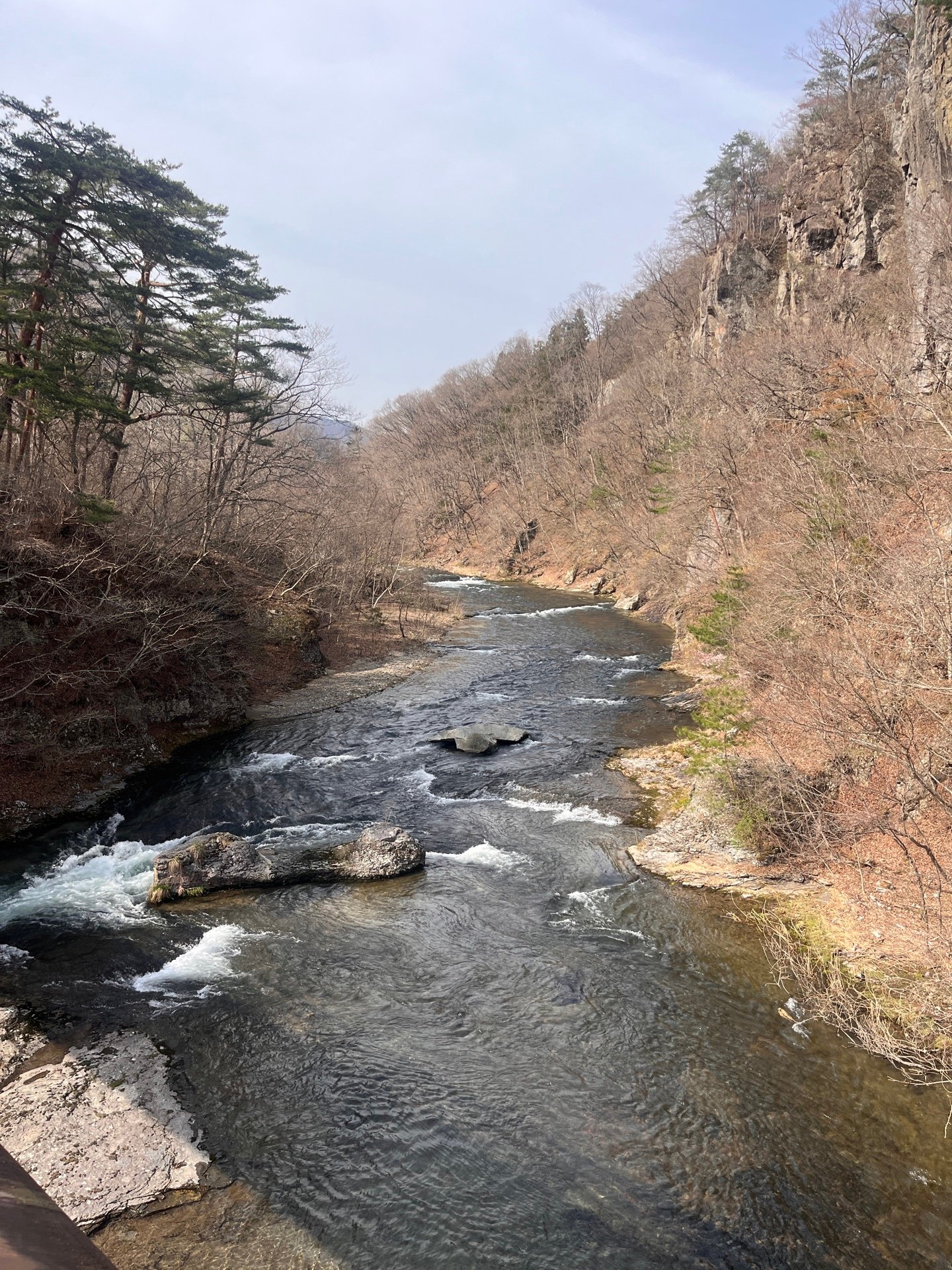
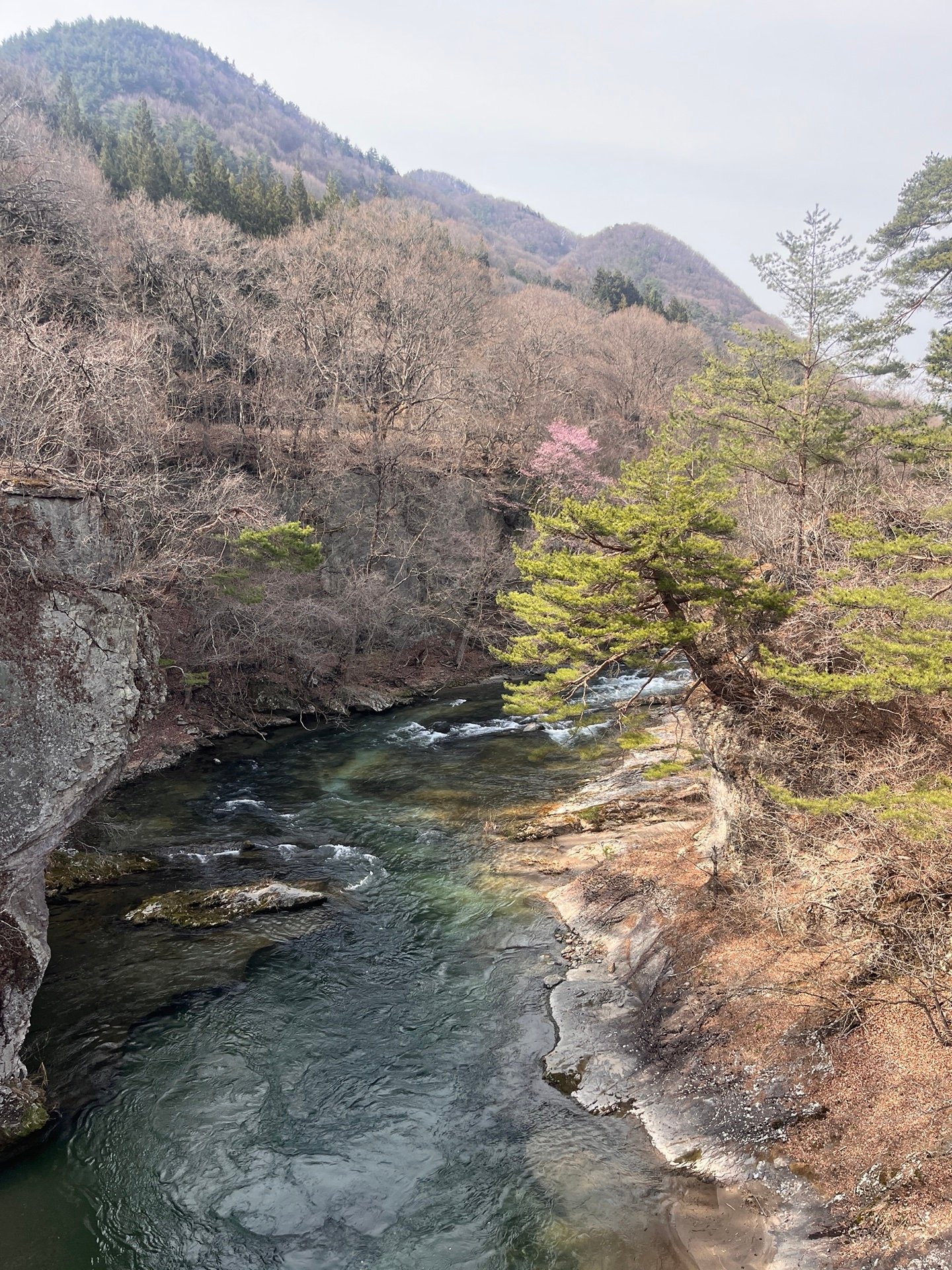
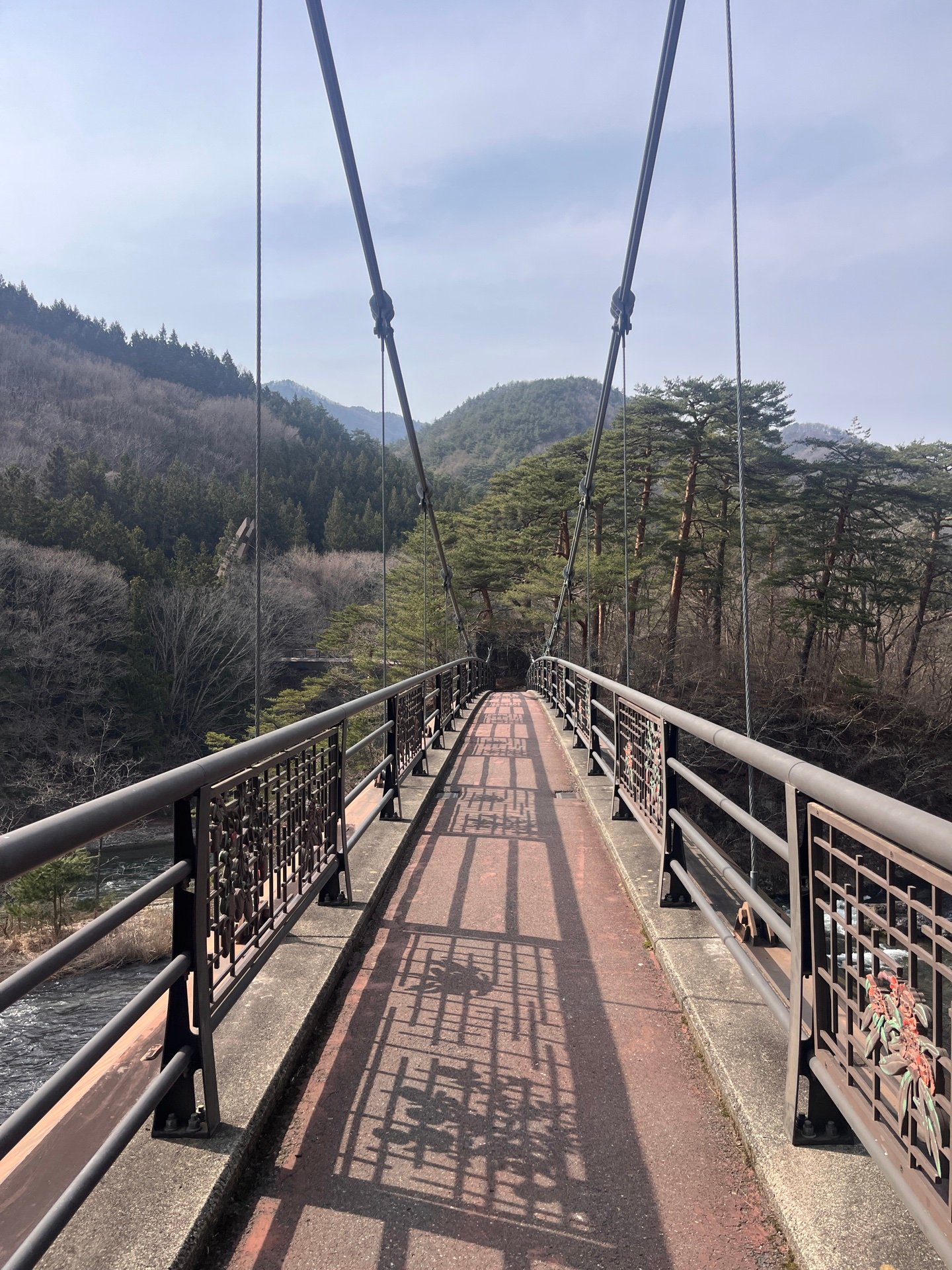
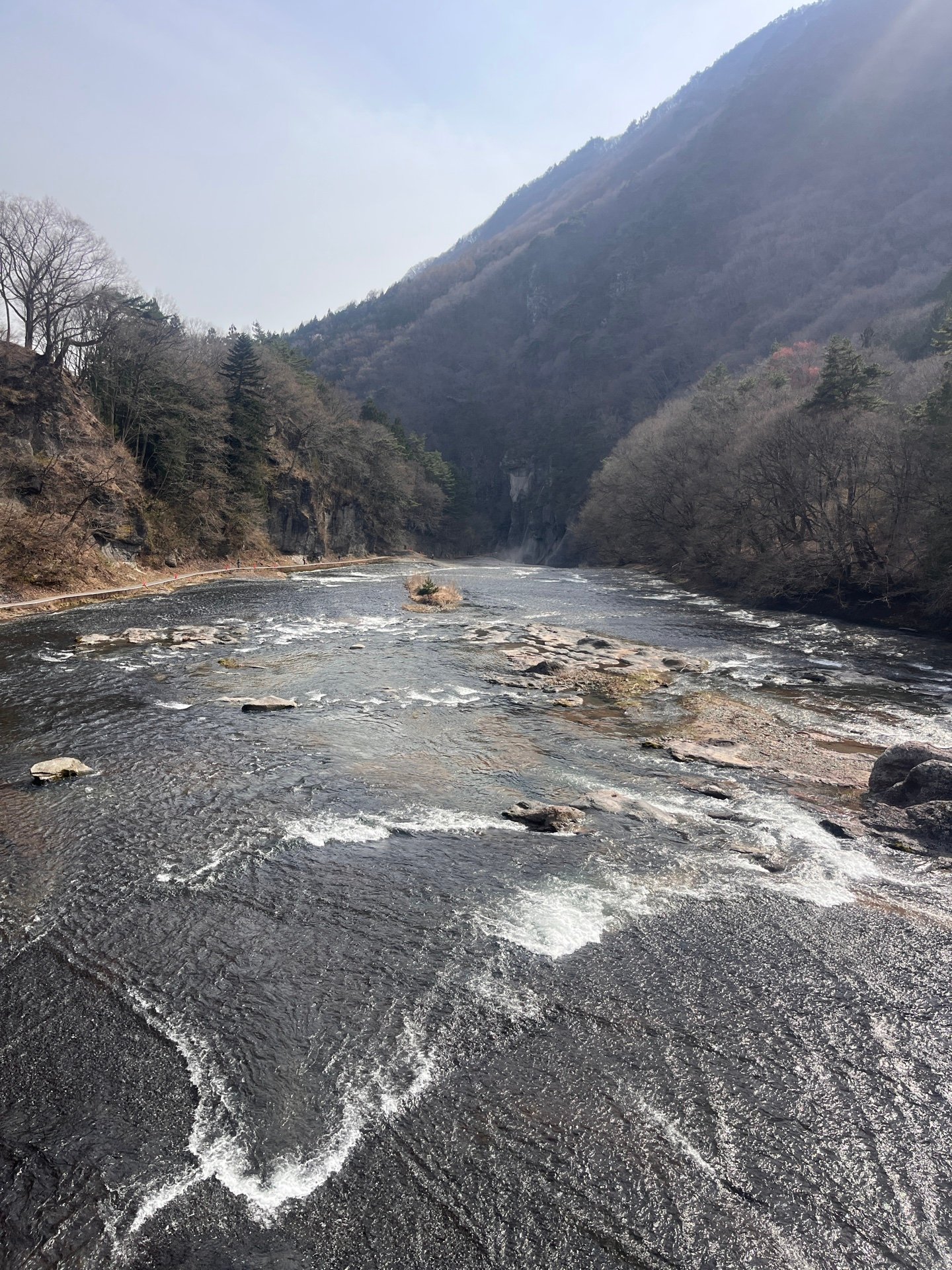
Irohazaka mountain view
Irohazaka scenic overlook
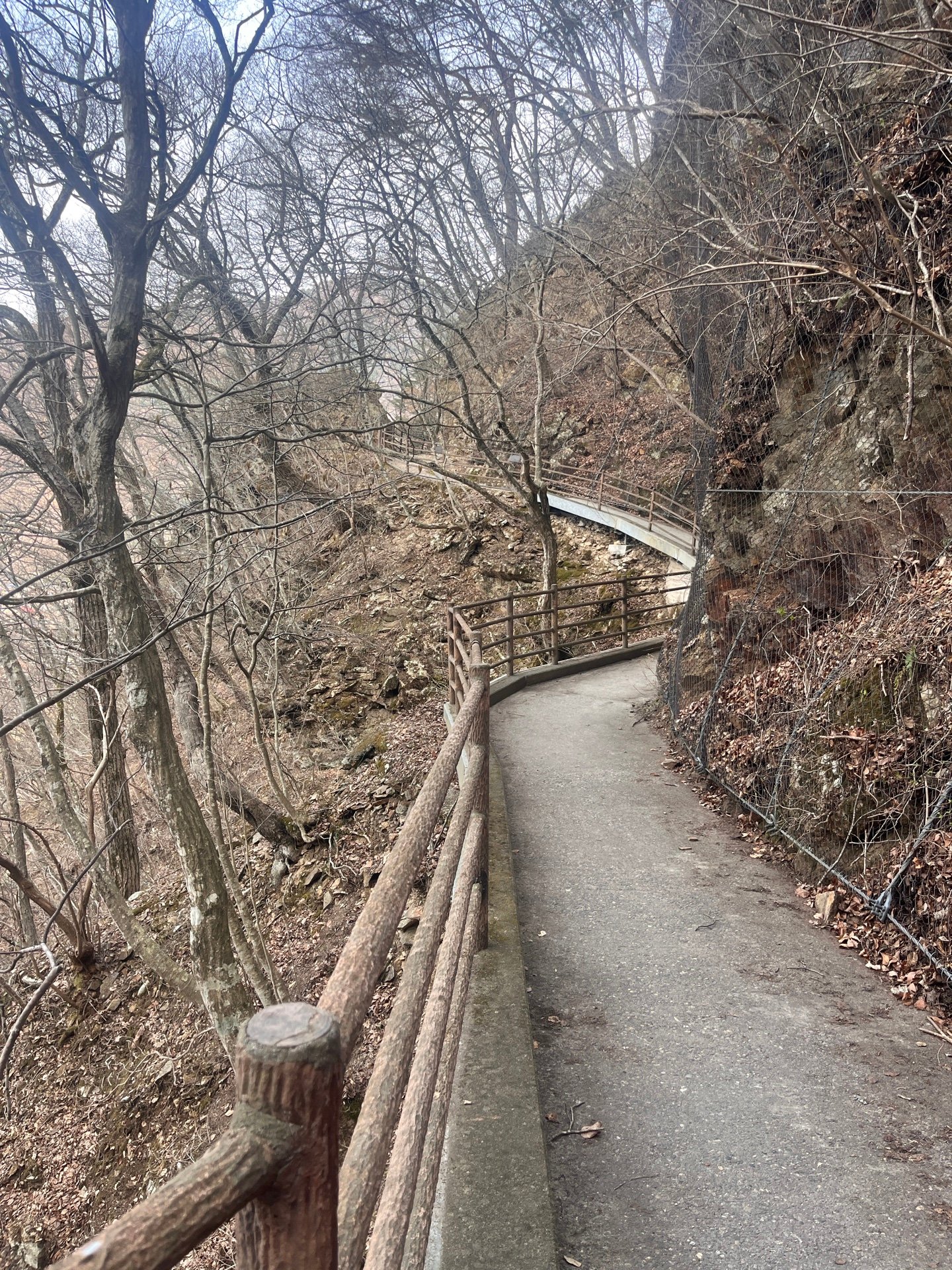
Irohazaka road view
Irohazaka hairpin view
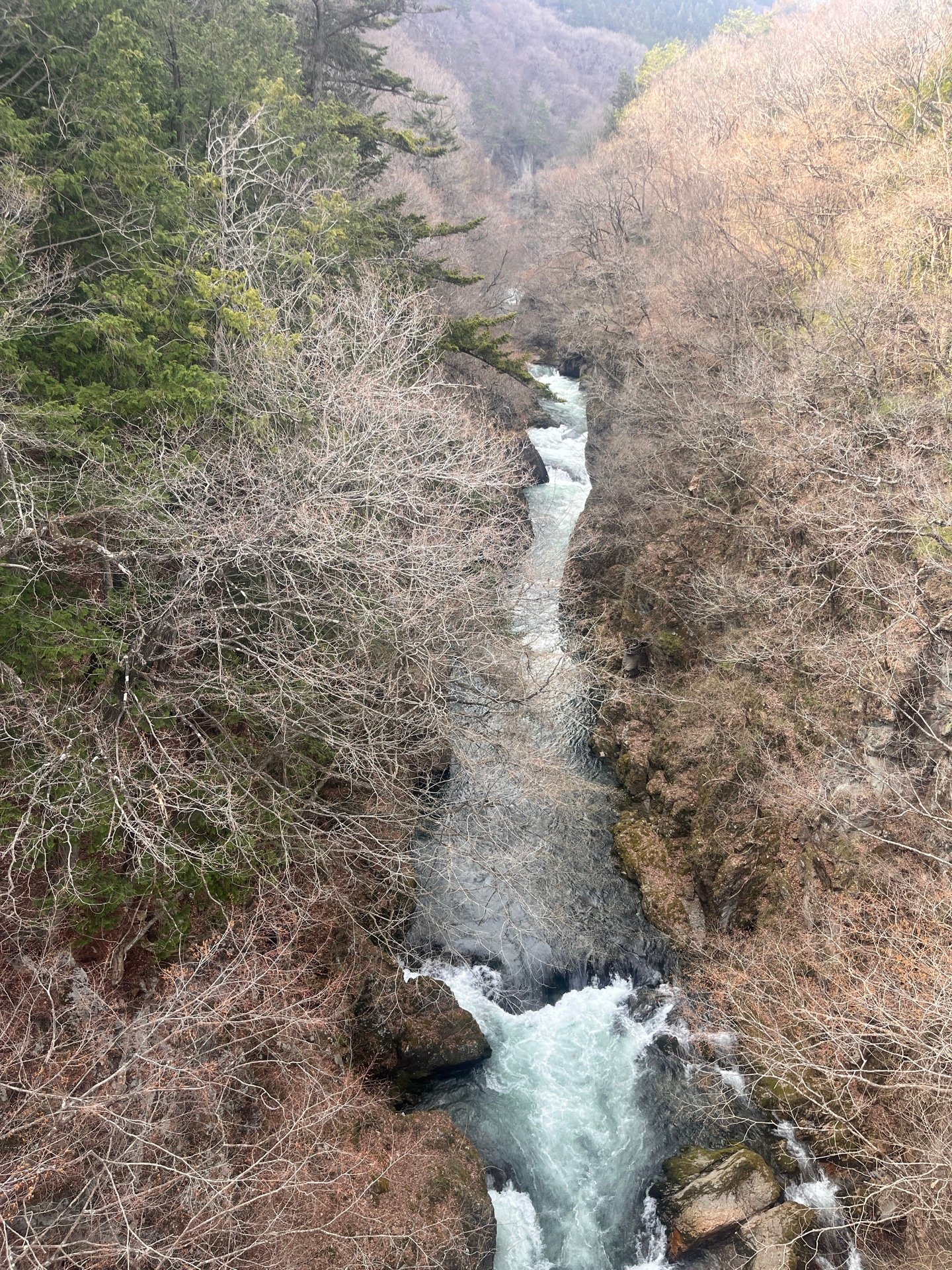
Irohazaka landscape
Irohazaka scenic route
← All Routes